

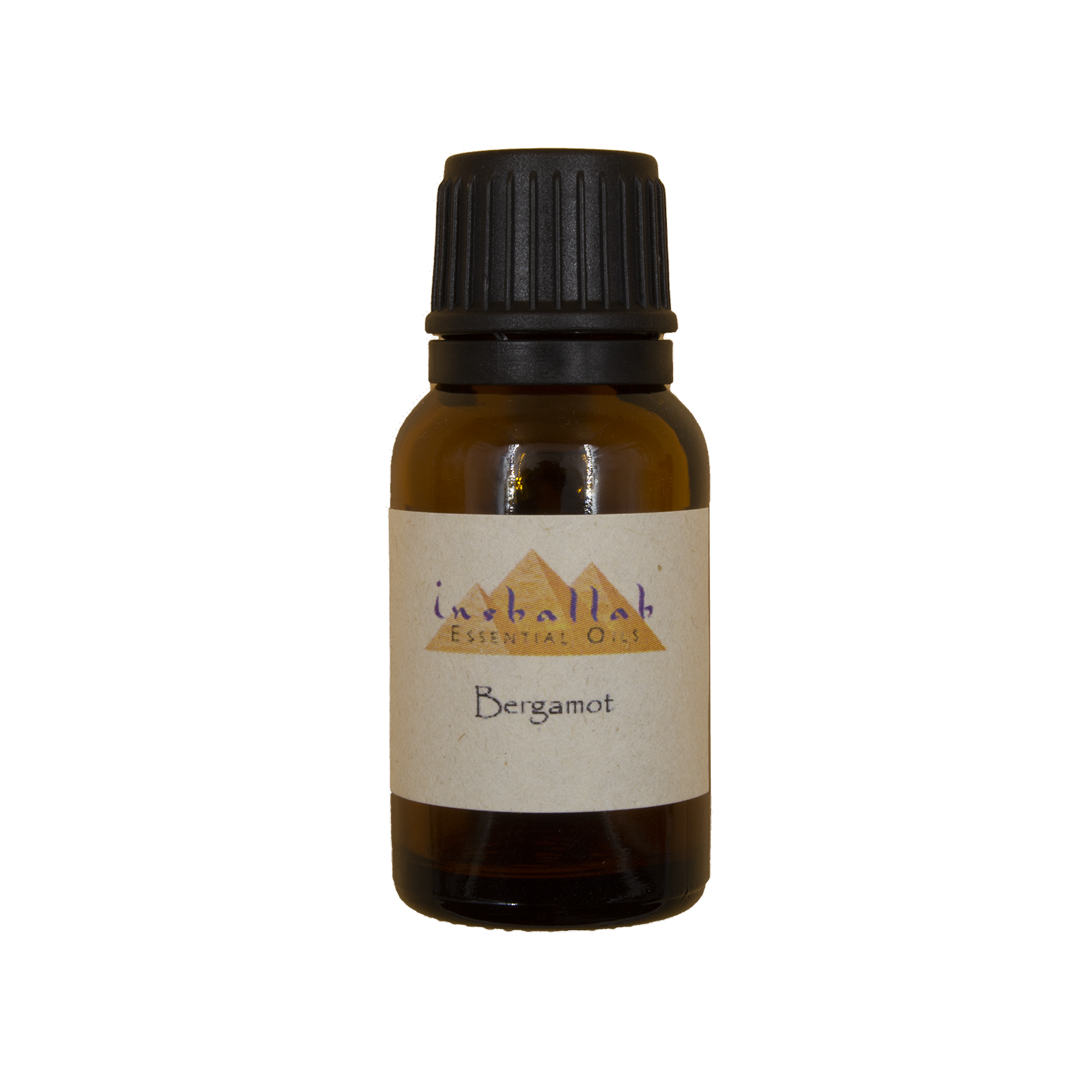
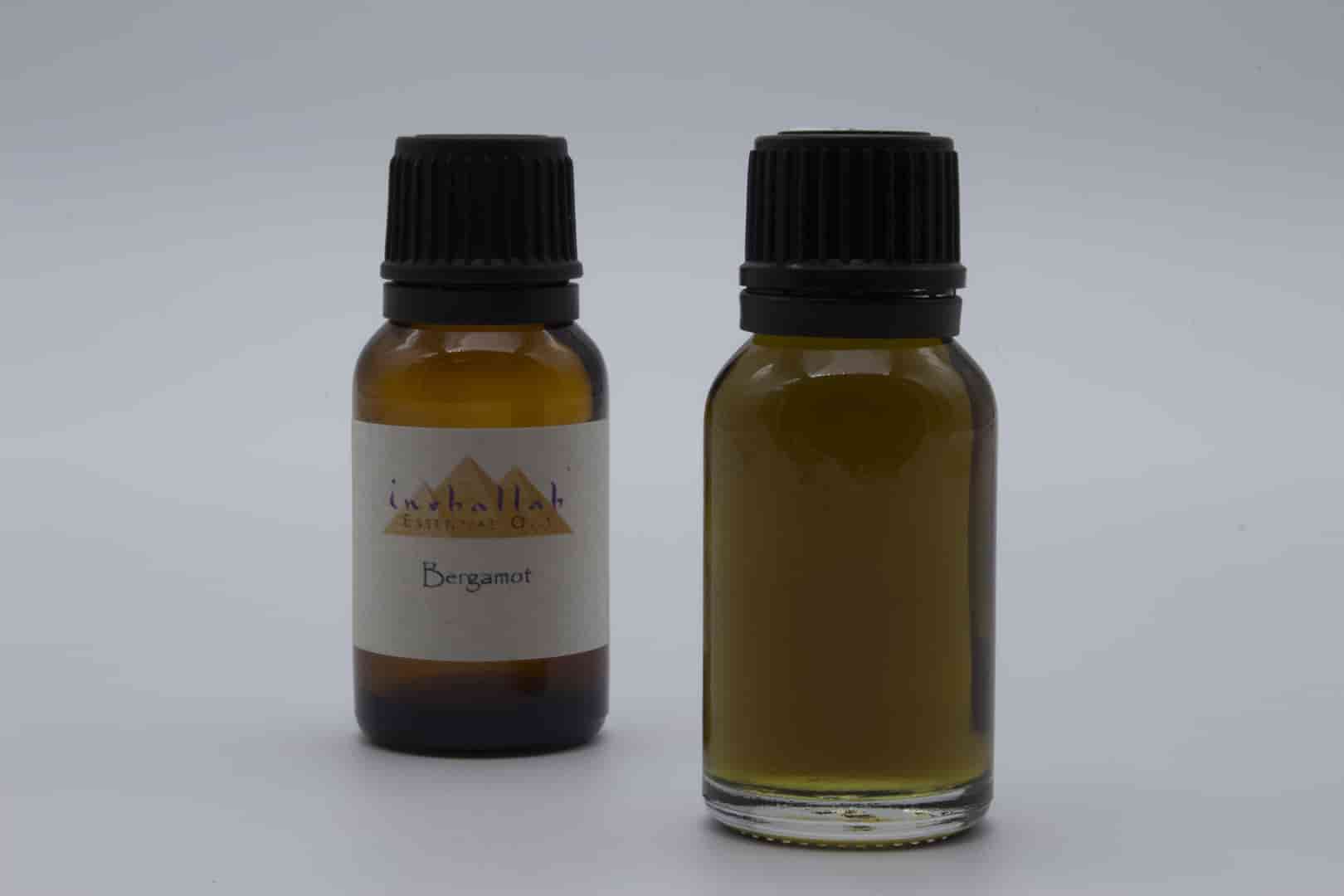
Bergamot Egyptian Essential Oil
Price range: $32.00 through $70.00

Bergamot oil, cold-pressed from the peel of the bergamot orange, is known for its fresh, citrusy aroma with subtle floral notes. Valued for its calming and uplifting properties, it’s often used to reduce stress and balance the mood.

ABOUT
Bergamot (Citrus bergamia) is a citrus fruit that grows on a small tree primarily found in Italy, although it is also cultivated in parts of Africa and Asia. The essential oil is extracted from the peel of the bergamot fruit, which is typically green and turns yellow when ripe. Known for its uplifting and refreshing aroma, bergamot oil has been a staple in aromatherapy and perfumery for centuries. It is prized for its ability to promote emotional balance, reduce stress, and support overall well-being. The oil’s aroma is both fruity and floral with a slight spicy, tangy edge, making it one of the most distinctive citrus oils used in personal care products, cleaning agents, and health remedies.
DIRECTIONS FOR USE
Aromatic: Add 3–5 drops of bergamot oil to a diffuser to uplift your mood, reduce stress, and create a fresh, vibrant atmosphere. It can be especially beneficial in the morning to kick-start the day with positivity or during meditation to enhance focus and clarity.
Internal: Use under the guidance of a healthcare professional or aromatherapist, typically in small amounts, such as one or two drops in water or tea, to support digestion or mood regulation.
Topical: Dilute bergamot oil with a carrier oil (such as jojoba, coconut, or almond oil) and apply to pulse points, on the chest for emotional support, or on the skin to address acne or other skin concerns. It can also be used in massage to reduce muscle tension.
Ritual: Use bergamot oil in purification rituals to cleanse negative energy or in self-love practices. Add a few drops to a candle, diffuser, or ritual anointing oils to enhance emotional balance and heart healing.
ENERGETIC / EMOTIONAL /
SPIRITUAL BENEFITS
Emotional Balance and Upliftment: Bergamot is often referred to as the “oil of self-love” because it helps balance the emotional body and promotes a sense of joy and emotional stability. It is known to help relieve anxiety, reduce feelings of sadness, and encourage a more positive outlook on life.
Cleansing and Purification: The uplifting and cleansing nature of bergamot makes it a powerful tool for emotional and spiritual purification. It can help clear negative energy, alleviate emotional burdens, and reset one’s mental state.
Inner Peace and Calm: Bergamot has a grounding and soothing effect, helping individuals feel more centered and calmer. It is beneficial for those seeking to maintain inner peace and emotional clarity, especially during times of stress or emotional turmoil.
Enhancing Creativity and Focus: Bergamot’s ability to uplift and stimulate mental clarity can also enhance creativity, focus, and motivation. It can be used in meditation or during periods of mental fatigue to restore clarity and inspire new ideas.
Heart Chakra Healing: As a heart-opening oil, bergamot helps connect the user with the heart chakra, promoting feelings of love, compassion, and emotional healing. It is used in rituals or practices aimed at fostering self-compassion and opening oneself to the love of others.
COMMON USES
Aromatic: Diffused to promote a calm, uplifting atmosphere, reduce anxiety, and refresh the environment. It is often used in spaces for meditation, creative work, or relaxation. It can also help clear mental fog and improve concentration.
Internal: Used in small amounts (under the supervision of a qualified aromatherapist or healthcare provider) to support digestion or alleviate mild anxiety. Bergamot is commonly used in teas or as a flavoring in beverages.
Topical: Applied topically (after proper dilution with a carrier oil) to treat skin issues such as acne, oily skin, and minor skin irritations. It can also be used to relieve muscle aches and tension. It is sometimes used in massage oils to reduce stress and tension.
Ritual: Used in rituals for emotional healing, relaxation, and purification. Bergamot oil is often used to open the heart chakra, promote self-love, or release emotional blockages. It can be used in anointing oils, candles, or during cleansing ceremonies.
AROMA
A fresh, sweet, slightly tart citrus fragrance with floral and spicy undertones. Bergamot’s scent is both uplifting and calming, making it unique among citrus oils. It is often described as light, refreshing, and pleasantly aromatic, with a balance of sweetness and tanginess.
CHANNELLED MESSAGE
CAUTIONS
Bergamot oil can increase sensitivity to sunlight (photosensitivity), so avoid direct sun exposure for at least 12 hours after using it topically.
Always dilute bergamot essential oil before applying it to the skin, as it is highly concentrated.
Pregnant and breastfeeding women should consult with a healthcare provider before using bergamot essential oil.
Those with sensitive skin or allergies should perform a patch test before using bergamot oil.
Avoid ingesting large quantities of bergamot oil, as it can be toxic in high doses. Only use internally under professional guidance.
PHYSICAL BENEFITS
Mood Lifting and Stress Relief: Bergamot is renowned for its ability to reduce stress and promote a sense of calm and relaxation. It is often used to relieve anxiety, reduce feelings of sadness, and improve mood. The oil’s uplifting nature makes it ideal for those dealing with emotional fatigue or mild depression.
Antibacterial and Antiseptic: Bergamot has natural antibacterial and antiseptic properties, making it effective in promoting skin health. It can be used to treat minor skin infections, acne, and oily skin, as well as soothe cuts and wounds.
Digestive Support: Bergamot oil is believed to help stimulate the production of bile and digestive enzymes, aiding in digestion. It can also be used to alleviate indigestion, bloating, and constipation when diluted and massaged onto the abdomen.
Anti-inflammatory: Known for its anti-inflammatory properties, bergamot oil can help reduce swelling and pain in conditions like arthritis, muscle aches, or headaches. It can be diluted and applied topically to the affected area.
Respiratory Support: Bergamot is also used to support the respiratory system. It has expectorant properties that help relieve coughs and congestion, making it useful during cold and flu season.
*These statements have not been evaluated by the Food and Drug Administration (FDA). This product is not intended to diagnose, treat, cure, or prevent any disease. For any health-related concerns or before using essential oils, especially if you are pregnant, nursing, have a medical condition, or are taking medications, please consult a qualified healthcare professional. Individual results may vary, and any therapeutic or wellness claims are based on historical uses and general knowledge, not guaranteed outcomes.
ABOUT
Bergamot (Citrus bergamia) is a citrus fruit that grows on a small tree primarily found in Italy, although it is also cultivated in parts of Africa and Asia. The essential oil is extracted from the peel of the bergamot fruit, which is typically green and turns yellow when ripe. Known for its uplifting and refreshing aroma, bergamot oil has been a staple in aromatherapy and perfumery for centuries. It is prized for its ability to promote emotional balance, reduce stress, and support overall well-being. The oil’s aroma is both fruity and floral with a slight spicy, tangy edge, making it one of the most distinctive citrus oils used in personal care products, cleaning agents, and health remedies.
DIRECTIONS FOR USE
Aromatic: Add 3–5 drops of bergamot oil to a diffuser to uplift your mood, reduce stress, and create a fresh, vibrant atmosphere. It can be especially beneficial in the morning to kick-start the day with positivity or during meditation to enhance focus and clarity.
Internal: Use under the guidance of a healthcare professional or aromatherapist, typically in small amounts, such as one or two drops in water or tea, to support digestion or mood regulation.
Topical: Dilute bergamot oil with a carrier oil (such as jojoba, coconut, or almond oil) and apply to pulse points, on the chest for emotional support, or on the skin to address acne or other skin concerns. It can also be used in massage to reduce muscle tension.
Ritual: Use bergamot oil in purification rituals to cleanse negative energy or in self-love practices. Add a few drops to a candle, diffuser, or ritual anointing oils to enhance emotional balance and heart healing.
ENERGETIC / EMOTIONAL / SPIRITUAL BENEFITS
Emotional Balance and Upliftment: Bergamot is often referred to as the “oil of self-love” because it helps balance the emotional body and promotes a sense of joy and emotional stability. It is known to help relieve anxiety, reduce feelings of sadness, and encourage a more positive outlook on life.
Cleansing and Purification: The uplifting and cleansing nature of bergamot makes it a powerful tool for emotional and spiritual purification. It can help clear negative energy, alleviate emotional burdens, and reset one’s mental state.
Inner Peace and Calm: Bergamot has a grounding and soothing effect, helping individuals feel more centered and calmer. It is beneficial for those seeking to maintain inner peace and emotional clarity, especially during times of stress or emotional turmoil.
Enhancing Creativity and Focus: Bergamot’s ability to uplift and stimulate mental clarity can also enhance creativity, focus, and motivation. It can be used in meditation or during periods of mental fatigue to restore clarity and inspire new ideas.
Heart Chakra Healing: As a heart-opening oil, bergamot helps connect the user with the heart chakra, promoting feelings of love, compassion, and emotional healing. It is used in rituals or practices aimed at fostering self-compassion and opening oneself to the love of others.
PHYSICAL BENEFITS
Mood Lifting and Stress Relief: Bergamot is renowned for its ability to reduce stress and promote a sense of calm and relaxation. It is often used to relieve anxiety, reduce feelings of sadness, and improve mood. The oil’s uplifting nature makes it ideal for those dealing with emotional fatigue or mild depression.
Antibacterial and Antiseptic: Bergamot has natural antibacterial and antiseptic properties, making it effective in promoting skin health. It can be used to treat minor skin infections, acne, and oily skin, as well as soothe cuts and wounds.
Digestive Support: Bergamot oil is believed to help stimulate the production of bile and digestive enzymes, aiding in digestion. It can also be used to alleviate indigestion, bloating, and constipation when diluted and massaged onto the abdomen.
Anti-inflammatory: Known for its anti-inflammatory properties, bergamot oil can help reduce swelling and pain in conditions like arthritis, muscle aches, or headaches. It can be diluted and applied topically to the affected area.
Respiratory Support: Bergamot is also used to support the respiratory system. It has expectorant properties that help relieve coughs and congestion, making it useful during cold and flu season.
COMMON USES
Aromatic: Diffused to promote a calm, uplifting atmosphere, reduce anxiety, and refresh the environment. It is often used in spaces for meditation, creative work, or relaxation. It can also help clear mental fog and improve concentration.
Internal: Used in small amounts (under the supervision of a qualified aromatherapist or healthcare provider) to support digestion or alleviate mild anxiety. Bergamot is commonly used in teas or as a flavoring in beverages.
Topical: Applied topically (after proper dilution with a carrier oil) to treat skin issues such as acne, oily skin, and minor skin irritations. It can also be used to relieve muscle aches and tension. It is sometimes used in massage oils to reduce stress and tension.
Ritual: Used in rituals for emotional healing, relaxation, and purification. Bergamot oil is often used to open the heart chakra, promote self-love, or release emotional blockages. It can be used in anointing oils, candles, or during cleansing ceremonies.
AROMA
A fresh, sweet, slightly tart citrus fragrance with floral and spicy undertones. Bergamot’s scent is both uplifting and calming, making it unique among citrus oils. It is often described as light, refreshing, and pleasantly aromatic, with a balance of sweetness and tanginess.
CHANNELLED MESSAGE
CAUTIONS
Bergamot oil can increase sensitivity to sunlight (photosensitivity), so avoid direct sun exposure for at least 12 hours after using it topically.
Always dilute bergamot essential oil before applying it to the skin, as it is highly concentrated.
Pregnant and breastfeeding women should consult with a healthcare provider before using bergamot essential oil.
Those with sensitive skin or allergies should perform a patch test before using bergamot oil.
Avoid ingesting large quantities of bergamot oil, as it can be toxic in high doses. Only use internally under professional guidance.
*These statements have not been evaluated by the Food and Drug Administration (FDA). This product is not intended to diagnose, treat, cure, or prevent any disease. For any health-related concerns or before using essential oils, especially if you are pregnant, nursing, have a medical condition, or are taking medications, please consult a qualified healthcare professional. Individual results may vary, and any therapeutic or wellness claims are based on historical uses and general knowledge, not guaranteed outcomes.
What our customers say about our oils...
